Guide
The Time Stone
Rewind an object to where it came from, then fast-forward it back. I took a bookcase back to its parts, then logs, then a tree. Try a sweater back to a sheep, or a mug back to clay.
- Your performanceOne locked-off clip, about 12 seconds
- An image modelFor the plate, stages and spell
- Seedance 2.5 + Kling 4.0The rewind, then the spell
- An afternoonFrom filming to finished
Made with Seedream 5.5, GPT Image 2.6, Seedance 2.5 and Kling 4.0 · an afternoon · As seen on @edmund.tian
The recipe
01
Film your performance
Put the camera on a tripod. Stand on one side and leave the other side empty for your object. Raise one hand and twist your wrist once for each step back in time, with a beat between twists. I did three rewinds and one fast-forward.
My take Contrast strongly with the background so you can mask yourself out later. If you shoot log, grade it first.
02
Make one clean plate with your object in it
Take one frame, remove yourself, then add your object where it goes. Every later stage is an edit of this image.
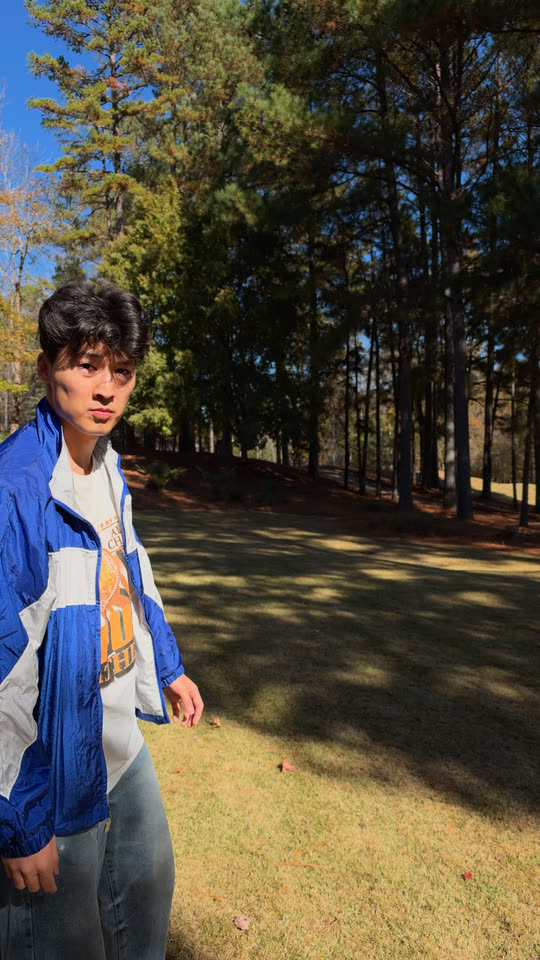
A frame from the take 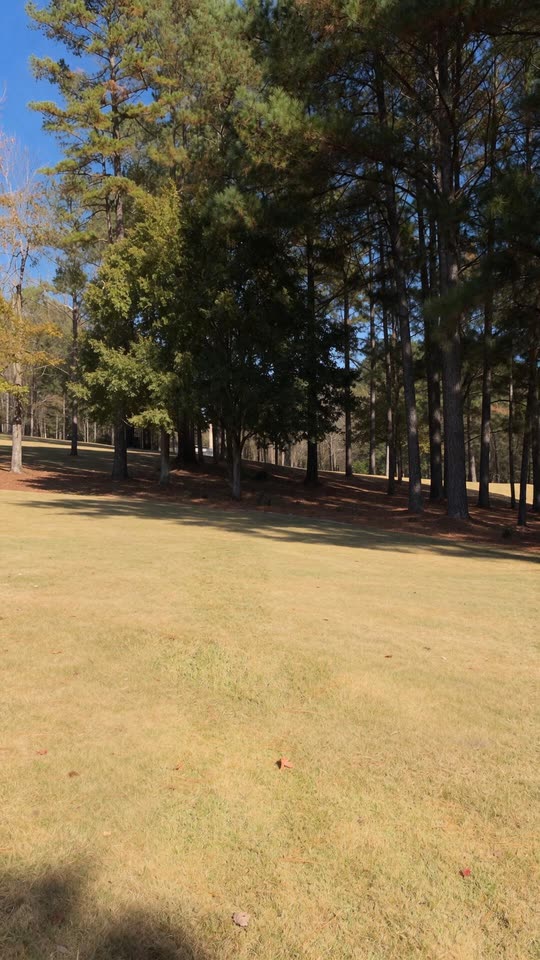
The empty plate 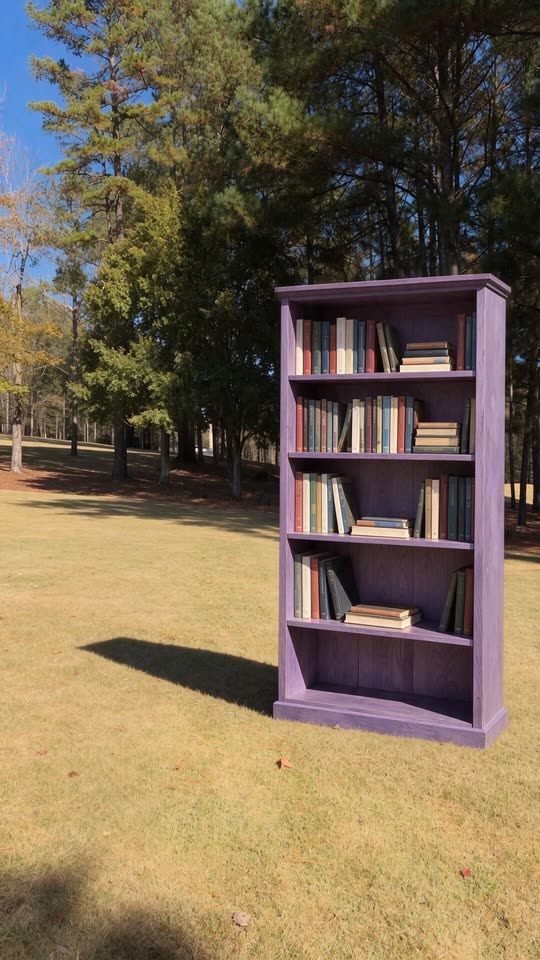
The object, stage one Remove yourselfEdit image 1. Remove the young man completely, together with his green glowing spell, the green rune bands and the green disc, and any shadow or green light he casts. Fill that area with the same evenly sunlit golden lawn and the same trees and background that continue naturally behind him. Keep everything else exactly the same, pixel for pixel: the purple bookcase and its books, its position, size and shadow, the trees, sky, lawn, lighting, camera framing and colour grade. Photorealistic, same photograph.
Add your objectEdit image 1, an empty sunlit backyard lawn. Add one tall solid-wood bookcase standing on the lawn, in exactly the position, size and straight-on orientation of the purple bookcase in image 4: the same spot in the right half of the frame, front parallel to the camera. Its design is the bookcase in image 2: tall and narrow, a moulded crown cap, a simple plinth base, a back of vertical boards, five shelves. Its finish is the dusty, muted lavender of image 3: a translucent stain with the wood grain showing, never glossy or plastic. Its five shelves hold only lived-in books of mixed sizes and colours, some leaning, a few in small stacks. It must look physically present in this exact photo, shot by the same camera at chest height: the sun is high, behind the camera and slightly to the right, so the front is brightly lit, the left side panel is a little shaded, the shelf interiors and the space under the crown fall into soft shade, and the books cast small shadows inside the shelves. It casts a real shadow on the grass: a short, soft-edged dark shadow falling back behind it and a little to the left, visible as a dark strip of grass along its left side and behind it, plus a deep contact shadow where the plinth sits in the grass. A few grass blades overlap the bottom edge of the plinth. Its colours and contrast match the photo's warm sunlight and grade exactly. Keep everything else in image 1 exactly the same, pixel for pixel: the trees, sky, lawn, camera framing and colour grade. Photorealistic, same photograph.
Match the object's shadow to the real sun in your take, or it looks pasted in.
03
Create a keyframe for each step back in time
Edit that image three times, going further back each time. Mine: the parts on the grass with the books turned to blank paper, then the logs, then the living tree. Keep each stage in the same spot, and a little messy.
Now 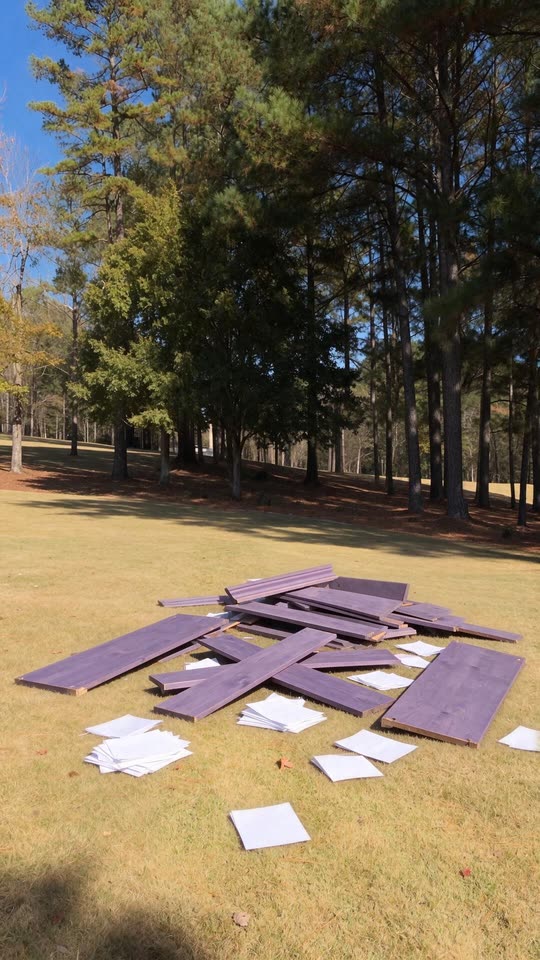
Its parts 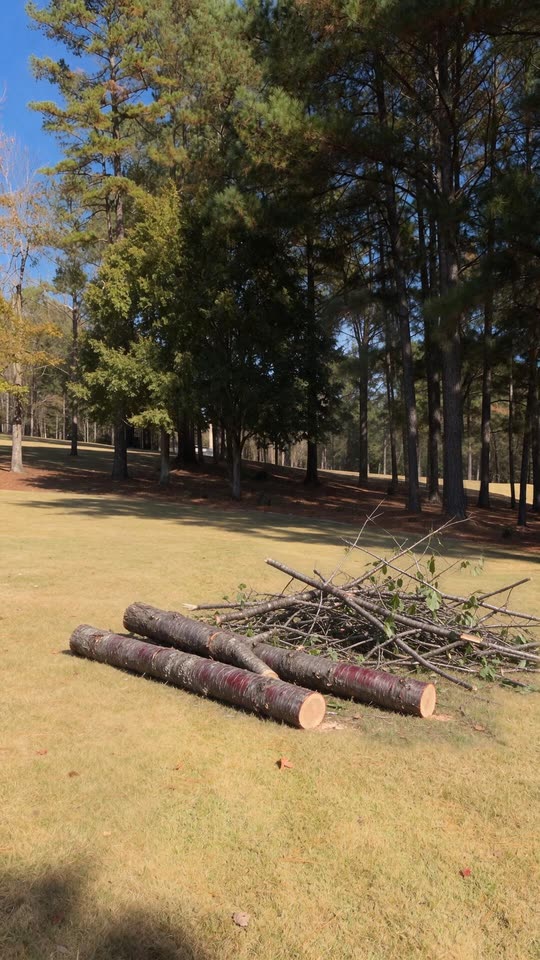
The raw material 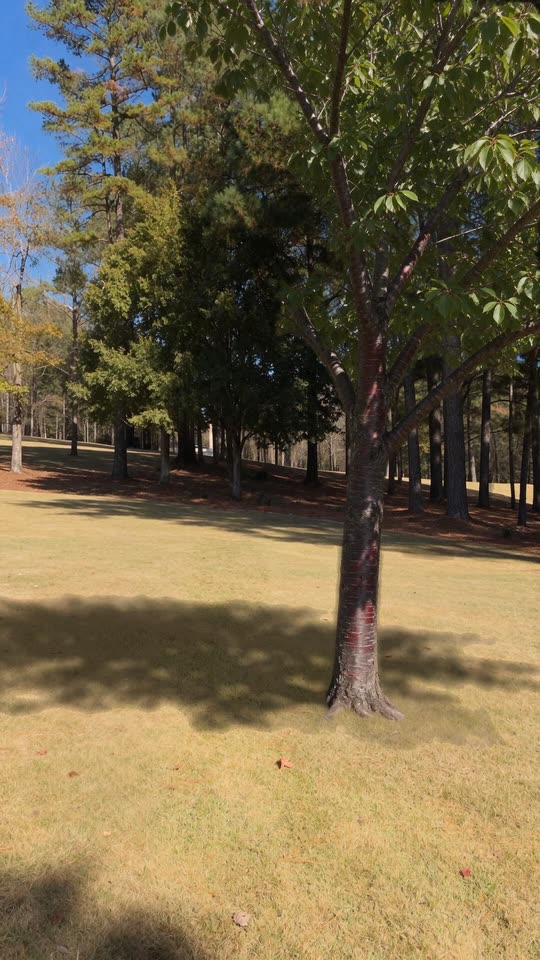
Where it came from Its partsEdit image 1. Replace the bookcase with its own parts, taken apart and lying on the grass where it stood, a little messy and human. Everything is the same lavender-violet stained wood as the bookcase. Every part lies flat or leans low on the ground; nothing stands upright and there is no stand or sawhorse: the two long side panels lie on the grass at slight angles, the shelf boards lie scattered and a couple cross over each other, the crown moulding and the back boards lie in a loose, uneven heap. The books have turned back into plain blank paper: loose white sheets scattered on the grass among the parts, in a few untidy drifts and fanned-out piles, a few lying on the wood. No printed books. It all stays roughly where the bookcase stood. Remove the bookcase, its books and its shadow completely; nothing of it remains. There is exactly one object on the lawn. Keep everything else exactly the same, pixel for pixel: the trees, sky, lawn, camera framing and colour grade; do not zoom, crop or reframe. Lighting matches the photo: the sun is high, behind the camera and slightly to the right, so shadows are short, soft and fall back and a little to the left, with dark contact shadows on the grass. Photorealistic, same photograph.
The raw materialEdit image 1. Replace the bookcase with what is left of the cherry tree in image 2 after it was felled and cut up, lying on the grass where the bookcase stood, in natural colour. Its trunk, exactly as thick as the trunk in image 2, is cut into three long sections lying loosely side by side and slightly crossed; beside them lies a loose, spread-out tangle of its cut limbs and twigs, some with a few green leaves, the ends of some branches reaching past the right edge of the frame. The amount of wood equals that one tree. Dark reddish-grey cherry bark, pale cut ends with growth rings, a little sawdust. It is a low pile, no taller than a person's knee. No purple, no paper, no books. Remove the bookcase, its books and its shadow completely; nothing of it remains. There is exactly one object on the lawn. Keep everything else exactly the same, pixel for pixel: the trees, sky, lawn, camera framing and colour grade; do not zoom, crop or reframe. Lighting matches the photo: the sun is high, behind the camera and slightly to the right, so shadows are short, soft and fall back and a little to the left, with dark contact shadows on the grass. Photorealistic, same photograph.
Where it came fromEdit image 1. Replace the bookcase with a living, mature black cherry tree growing out of the lawn exactly where the bookcase stood, in natural colours. One straight trunk with dark reddish-grey cherry bark and fine horizontal marks, flaring into roots that grip the grass. Above head height it spreads into a broad, full canopy of green cherry leaves that rises past the top edge of the frame and spills naturally off the right edge, in front of the tall pines. Its leafy shade falls as soft dappled shadow on the grass under it and a little behind it. Remove the bookcase, its books and its shadow completely; nothing of it remains. There is exactly one object on the lawn. Keep everything else exactly the same, pixel for pixel: the trees, sky, lawn, camera framing and colour grade; do not zoom, crop or reframe. Lighting matches the photo: the sun is high, behind the camera and slightly to the right, so shadows are short, soft and fall back and a little to the left, with dark contact shadows on the grass. Photorealistic, same photograph.
Only the object may change between the four images. If the background moves, it jumps on every rewind. My tree edit redrew the pines, so I masked the tree onto the plate.
04
Generate the rewind with Seedance 2.5
Run Seedance 2.5 in edit mode with you removed. Your take is @Video1 and the stages are @Image1 to @Image4. Write down the second each twist lands and tell it which stage to jump to. Ask for some wind so it never looks like a still.
@Video1: your take What Seedance 2.5 generates (no me in it) The rewind[Edit Goal] Edit @Video 1. Completely remove the young man and his shadow; he is never visible and the lawn holds only the object. Use his movements in @Video 1 only as the timing cue. Relight the backyard to the shadow-free look of the reference images. Add one tall lavender-purple bookcase full of books on the lawn. At each cue it jumps backward through time to the next stage, completely replacing the previous one, then it jumps all the way forward again. [Source Video Role] @Video 1 is the sole editing master. It defines the static camera position and framing, the trees, the sky and the timing of the events. Do not keep the young man. [Reference Material Roles] @Image 1 defines stage one: the lavender-purple bookcase full of books, standing on the lawn with its own soft shadow on the grass along its left side and behind it. @Image 2 defines stage two: the bookcase taken apart, every lavender-purple part lying flat on the grass with loose blank white paper scattered among them; nothing stands upright. @Image 3 defines stage three: the felled cherry tree cut into long logs with a spread-out tangle of its branches, in natural wood colour. @Image 4 defines stage four: one living cherry tree growing out of the lawn, its canopy running past the top and right edges of the frame, casting dappled shade on the grass. @Image 1 to @Image 4 are the same locked-off frame with an identical background: the pines, the trees behind, the sky and the lawn are pixel-for-pixel the same; only the object on the lawn differs. [Edit Objects and Scope] Remove the young man and his shadow from the whole video, filling his area with the same lawn and trees. The whole lawn is evenly sunlit golden grass with no tree shadows, as in @Image 1; the camera operator's shadow at the bottom-left of the frame is removed. The camera is locked off on a tripod: it never pans, tilts, zooms or reframes. The background trees, sky and lawn never change, redraw or morph between stages; they stay exactly the same through every change and only sway in the wind. At every moment exactly one stage is on the lawn. When a stage changes, the previous stage is completely gone, with nothing of it left behind: no logs under the tree, no tree behind the bookcase, no parts left over. Each stage is a full, natural object that can extend beyond the edges of the frame, like the branches and the tree canopy; nothing is clipped by an invisible border or box inside the frame. The bookcase sits naturally on the grass with a real soft shadow and dark contact shadow, lit by the same sun as the scene. Do not add unspecified objects or people. [Event Script] 0-3.4 seconds: the bookcase from @Image 1 stands still. 3.46 seconds: the bookcase instantly comes apart into @Image 2; its parts drop flat onto the grass and the books become blank paper sheets that settle among them. The bookcase is gone. 4.92 seconds: the purple parts and paper are instantly replaced by the logs and branches of @Image 3, natural wood colour, settling with a soft thud. No purple wood or paper remains. 6.38 seconds: the logs and branches vanish as the cherry tree of @Image 4 rises out of the lawn in that spot and its canopy fills out past the top of the frame. No logs or branches remain. 7.75 seconds: everything fast-forwards in one quick burst, tree to logs to purple parts to the finished bookcase full of books, landing exactly as @Image 1. No tree, logs or parts remain. 8-12 seconds: the bookcase stands still. Each change is quick, about half a second, like an object aging in place; there are no particles, beams, streams or flowing effects. [Life in the Scene] A clear, steady wind blows through the whole video, stronger than a light breeze but still calm: the pine branches and treetops sway noticeably back and forth, the leaves of the background trees and of the cherry tree flutter constantly, the grass ripples, and every couple of seconds a small leaf drifts down and across the frame. Only the motion of branches and leaves changes; the trees themselves stay in place. It never looks like a still image. [Audio] Natural outdoor ambience: <a steady wind through the pines>, <leaves rustling>, <distant birds>. On each change, a natural, quiet sound: <wooden boards clattering onto grass and paper rustling>, <logs thudding onto the lawn>, <wood creaking and leaves rustling as the tree grows>, <a quick rush of it all reversing>. No music, no dialogue, no subtitles.
My timings (3.46s, 4.92s, 6.38s, 7.75s) are from my take. Use yours.
05
Put yourself back in
Lay your take over the result and mask yourself out (I used Magic Mask in DaVinci Resolve). Seedance won't hit your twists exactly, so retime it: cut and speed-ramp the background until every change lands on a twist of your wrist. Then export.
Seedance 2.5 output, without me Me masked back in Don't run this comp back through Seedance. It re-invents the changes and loses your timing.
06
Add the spell with Kling 4.0
Edit one frame of your comp to show the exact spell you want. Then run Kling 4.0 in edit mode on the comp with that frame as @Image1. Cut it in when your hand rises and add a sound to every jump.
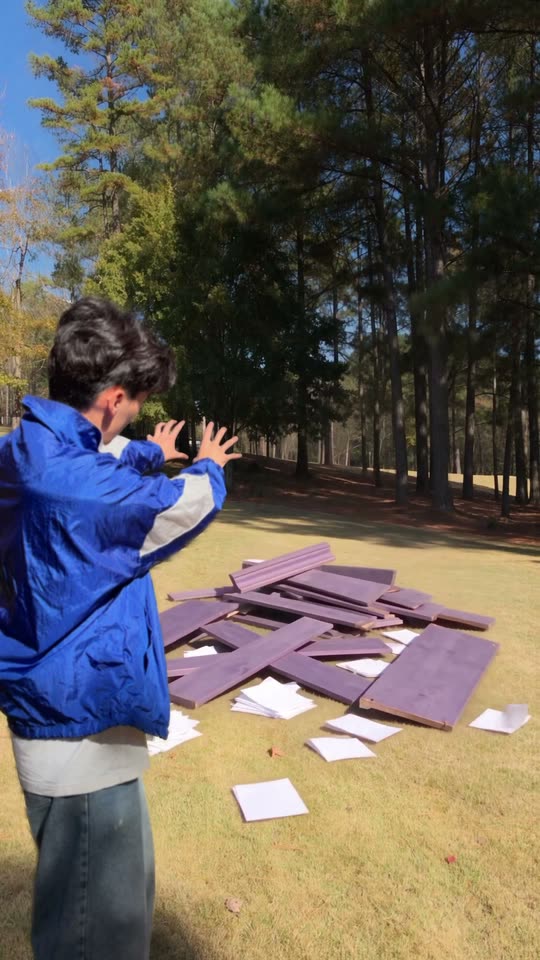
A frame from your comp 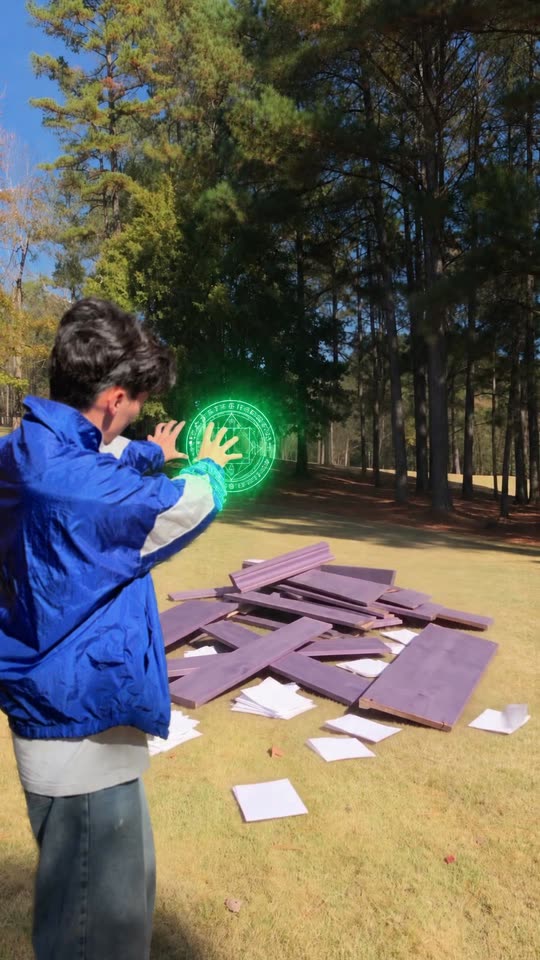
The spell keyframe What Kling 4.0 adds The spell keyframeEdit this photo. Add a glowing magic spell to the young man's right hand only: the hand on the right of the frame, at the end of the sleeve with the white stripe. Change nothing else in the photo: his face, hair, body, jacket, the other hand, the lawn, the purple wood, the trees, the sky, the light and colour stay exactly the same. The spell: a flat glowing emerald-green rune disc, about one and a half times the size of his open hand, made of two or three thin concentric rings filled with fine glowing runes and thin geometric lines with a square inside. His palm faces away from the camera toward the lawn, so the disc floats just beyond his palm on the far side of the hand, parallel to the palm: it sits behind his hand from the camera's view, and his fingers overlap the front of it. Around his right wrist and forearm, two or three thin glowing green bands of runes wrap like a coiled snake or stacked bracelets, spiralling around the sleeve cuff. Faint green light on the edges of his right fingers and cuff. Photorealistic, the spell is the only change.
The spell runEdit @Video1 by adding only a glowing magic spell to the young man's right hand: the hand at the end of the sleeve with the white stripe. @Image1 shows exactly how the spell looks and where it sits at one moment of @Video1. Change nothing else: his face, identity, expression, body, clothes, his left hand and every movement frame for frame; the colour, sharpness and blur of the whole image; the bookcase and every change on the lawn with its exact timing; the trees, sky and camera framing. The spell, exactly as in @Image1: a flat glowing emerald-green rune disc of thin concentric rings and fine runes, about one and a half times the size of his open hand, floating just beyond his right palm on the far side of the hand, parallel to the palm, so his fingers overlap its front. It stays attached to the palm for the whole time his right hand is raised, moving with the hand and tilting and turning with the palm whenever his wrist twists, and slowly rotating on its own. Thin glowing green rune bands coil around his right wrist and cuff like a snake. Faint green light on the edges of his right fingers and cuff. The spell appears as his right hand rises and disappears the moment he lowers it. His left hand has no spell. No other glow, particles or beams.
One ask per Kling pass, on a fresh export. Stacking asks or re-running Kling on its own output changed my face.
What goes wrong
The background jumps on every rewind.
Your stages don't share one plate. Mask the object onto the same plate.
The image model ignores where and how big you asked for the object.
Give sizes against something real (as thick as a calf), or edit a crop and paste it back.
Old stages linger, or the object looks boxed in by an invisible edge.
Say there is exactly one object at a time and it can run off the frame. Avoid hard rectangular masks.
The scene looks like a still.
Ask for wind and drifting leaves. Edit mode only gives so much, so don't chase it.
The spell shows up before your hand rises.
Cut the clip in when your hand comes up.
The disc won't turn with your wrist.
Eight tries on two models didn't fix it. Accept it, or track a disc on in post.